Mount Fuji and Kawaguchiko from Ikebukuro: Train, Bus, and Weather Guide
Key takeaway
Kawaguchiko is about two hours from Ikebukuro via Shinjuku. This English guide compares the reserved Fuji Excursion train and highway bus, explains Mount Fuji visibility, local sightseeing buses, Oishi Park, the ropeway, photo etiquette, and a realistic day-trip plan.
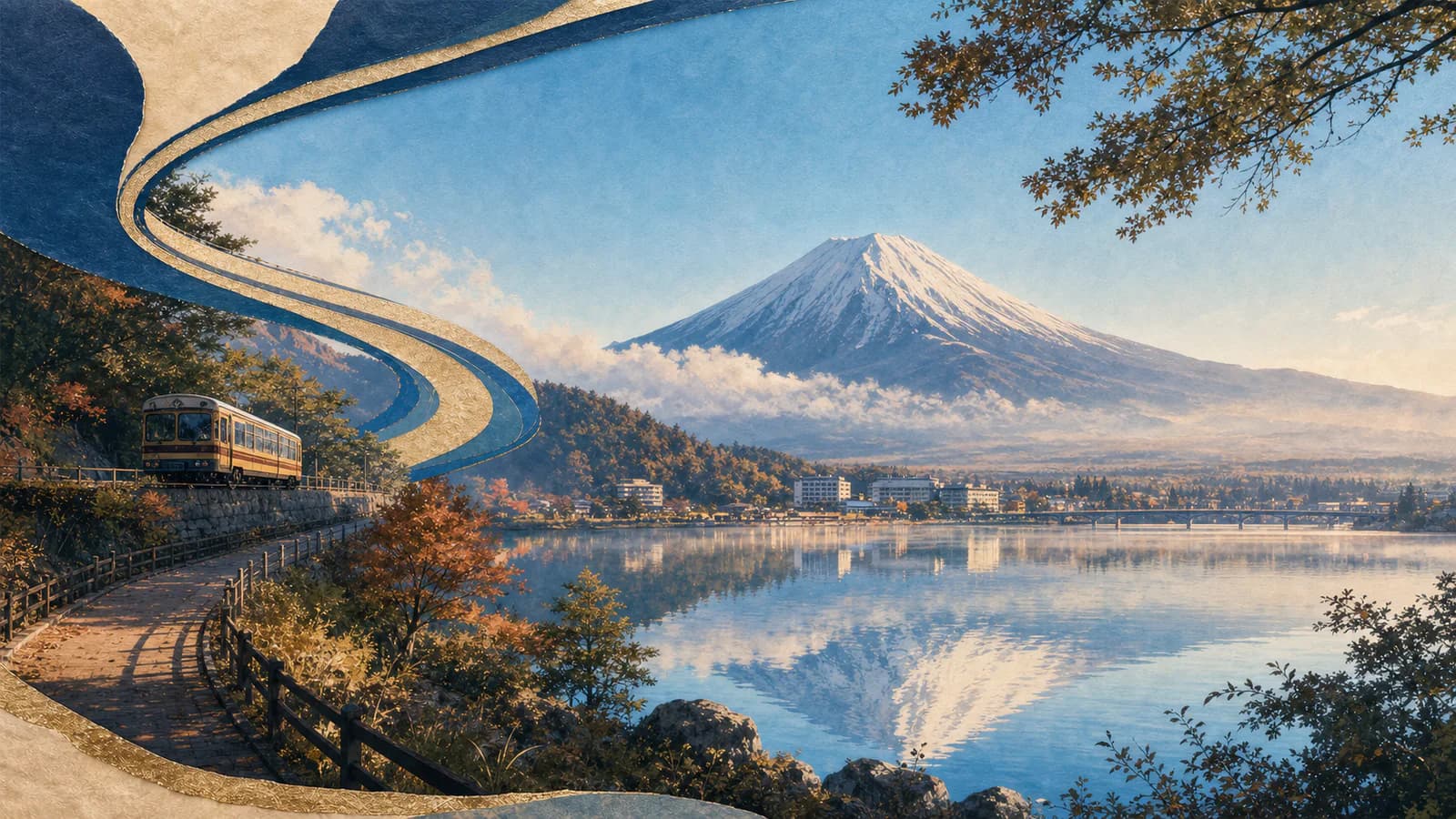
From Ikebukuro by train
About 2–2.5 hours
Ikebukuro to Shinjuku, then Fuji Excursion or highway bus
One transfer · Advance reservation recommended
Mount Fuji can be hidden by clouds even when Tokyo is sunny. Keep the day flexible when possible and check a local forecast or live camera before leaving.
The Ikebukuro-base edit
Let the forecast choose the date, reserve the long-distance seat, and limit the lake area to two or three viewpoints.
- Best for
- Mount Fuji views, landscape photography, a weather-flexible day
- Suggested departure
- Leave Ikebukuro around 6:00-6:30
- Return shape
- Return around 19:00-21:00
- Honest trade-off
- Clouds can hide Mount Fuji completely, while road traffic and local bus queues can delay the return.
Why this route works from Ikebukuro
Check mountain visibility before leaving the hotel, not only Tokyo's weather. When the view is poor, keep the day flexible enough to switch to a Tokyo plan rather than forcing an expensive photo trip.
Editorial note: this is a practical route judgment, not an operator timetable. Train and facility details are checked against the official links in this guide; always confirm same-day conditions.
Choose between the Fuji Excursion and highway bus
Travel from Ikebukuro to Shinjuku first. The limited express Fuji Excursion runs from Shinjuku toward Kawaguchiko with reserved seating and no transfer at Otsuki on the direct service. Seats are limited and popular dates can sell out, so book in advance and confirm the correct train car and destination.
Highway buses from the Shinjuku Expressway Bus Terminal are another direct option and may cost less. They are comfortable but affected by road traffic, especially on weekends and holidays. Reserve both outbound and return seats instead of assuming you can board the next bus.
Treat visibility as the main decision
A clear weather symbol does not guarantee an unobstructed Mount Fuji view. Cloud often gathers around the mountain later in the day, and visibility is generally more reliable in the colder months and early morning. Summer haze and changing mountain weather can hide the summit for an entire visit.
If your Tokyo schedule allows, identify two possible days and choose closer to departure. Do not make a non-refundable transport decision solely from a long-range forecast. Kawaguchiko still has a lake, museums, cafes, and seasonal scenery, but travelers focused only on the mountain should understand the risk.
Use local buses instead of walking between every sight
Kawaguchiko attractions are spread around the lake and nearby towns. The sightseeing bus network links Kawaguchiko Station with the ropeway area, museums, and Oishi Park. Buses can become crowded, and queues may be long at major stops.
Do not plan a route based only on distance shown on a map. Some roads have limited pavement, and walking around the entire lake takes much longer than a normal city stroll. Check the last return bus and leave a buffer for your reserved train or highway bus.
Choose two or three main viewpoints
Oishi Park provides open lake views and seasonal flowers, while the Mount Fuji Panoramic Ropeway gives an elevated view when weather is clear. Chureito Pagoda at Arakurayama Sengen Park is reached from Shimoyoshida and involves a substantial climb, so it should not be treated as a quick stop beside the lake.
Trying to combine Chureito Pagoda, Oshino Hakkai, the ropeway, Oishi Park, museums, and a full lake circuit creates a day dominated by buses and queues. Select locations that fit one transport loop and keep one as optional.
Respect roads, homes, and private property
Several Mount Fuji photo locations became famous through social media, but normal roads, convenience stores, and residential streets are not photo studios. Use designated crossings, stay out of traffic, do not enter private land, and follow barriers or staff instructions even if another visitor ignores them.
Drones, tripods, and commercial photography may be restricted. Take rubbish with you and use public toilets. Responsible behavior protects both residents and future access to popular viewpoints.
A realistic Kawaguchiko day trip
Leave Ikebukuro early enough to depart Shinjuku around 7:00 to 8:00. After reaching Kawaguchiko Station, choose either Chureito Pagoda first or a lake route with the ropeway and Oishi Park. Have lunch away from the busiest queue if necessary, and return to the station well before your reserved departure.
An overnight stay is better if you want sunrise, a ryokan, multiple museums, or flexibility for cloud. For a day trip, two major viewpoints plus one meal is a realistic plan. Return to Ikebukuro via Shinjuku and keep your hotel address available if trains are delayed.
This is not a Mount Fuji climbing guide
Lake Kawaguchiko sightseeing is different from climbing Mount Fuji. The official climbing season, trail rules, reservations, equipment, transport, and safety requirements need separate preparation. Never attempt an off-season ascent based on a sightseeing itinerary.
Check official climbing information if the summit is your goal. Mountain conditions can be dangerous even when the lake area feels warm and calm.
Before you go
Check Mount Fuji visibility, local weather, train or bus reservations, sightseeing bus times, and attraction closures. Bring layers because the lake area can be colder than Tokyo. Carry cash, water, and a charged phone.
All journey times are estimates. Traffic, rail connections, weather, and local bus queues can add significant time. A flexible plan with fewer stops gives you the best chance of enjoying the view instead of watching the clock.