Nikko from Ikebukuro: A World Heritage Day Trip Without Rushing
Key takeaway
Nikko is about two to two and a half hours from Ikebukuro. This English guide explains the Tobu limited express route, reserved tickets and Nikko Pass, Toshogu Shrine, Shinkyo Bridge, buses, food, and a realistic World Heritage day trip.
From Ikebukuro by train
About 2–2.5 hours
Travel to Asakusa, then Tobu limited express to Tobu-Nikko
At least one transfer · Reserved limited express ticket recommended
A Nikko Pass and a limited express ticket are separate products. The pass alone does not include a reserved seat on SPACIA or Revaty services.
The Ikebukuro-base edit
Give the World Heritage shrine area the whole first visit and save Lake Chuzenji for a separate day with its own transport plan.
- Best for
- Shrines, architecture, cedar forests, cultural day trips
- Suggested departure
- Leave Ikebukuro around 6:30-7:00
- Return shape
- Return around 19:00-20:00
- Honest trade-off
- Temple closing times and mountain traffic punish late starts and ambitious add-ons.
Why this route works from Ikebukuro
Reserve the limited express before building the sightseeing list. A fixed return train creates the day's boundary; work backward from it and protect time for the bus back to the station.
Editorial note: this is a practical route judgment, not an operator timetable. Train and facility details are checked against the official links in this guide; always confirm same-day conditions.
Reserve the main train before planning the temples
A straightforward route is Ikebukuro to Ueno, Tokyo Metro Ginza Line to Asakusa, then a Tobu limited express to Tobu-Nikko. The Asakusa transfer includes walking between the subway and Tobu railway areas, so allow more time than a route app's minimum connection.
Tobu limited express trains use reserved seats. You need the standard fare or a valid pass plus a separate limited express ticket. Buy the correct products before boarding and confirm that your train goes to Tobu-Nikko rather than only toward Kinugawa.
Choose the correct Nikko Pass
The World Heritage Area pass is designed for the central shrine and temple zone, while the All Area pass covers a wider region including transport toward Lake Chuzenji and other outer areas. Prices, validity, and included services can change, so compare them with your exact route.
Admission to major shrines and temples is generally not included, and limited express fees are separate. A pass only saves money when you use the transport it covers; it does not automatically make an overfilled itinerary practical.
Focus on the World Heritage area for one day
From Tobu-Nikko Station, use a local bus or walk uphill toward Shinkyo Bridge and the World Heritage shrines and temples. The central area includes Rinnoji, Toshogu Shrine, Futarasan Shrine, and Taiyuin. The sites are close on a map but contain slopes, stairs, ticket lines, and detailed interiors.
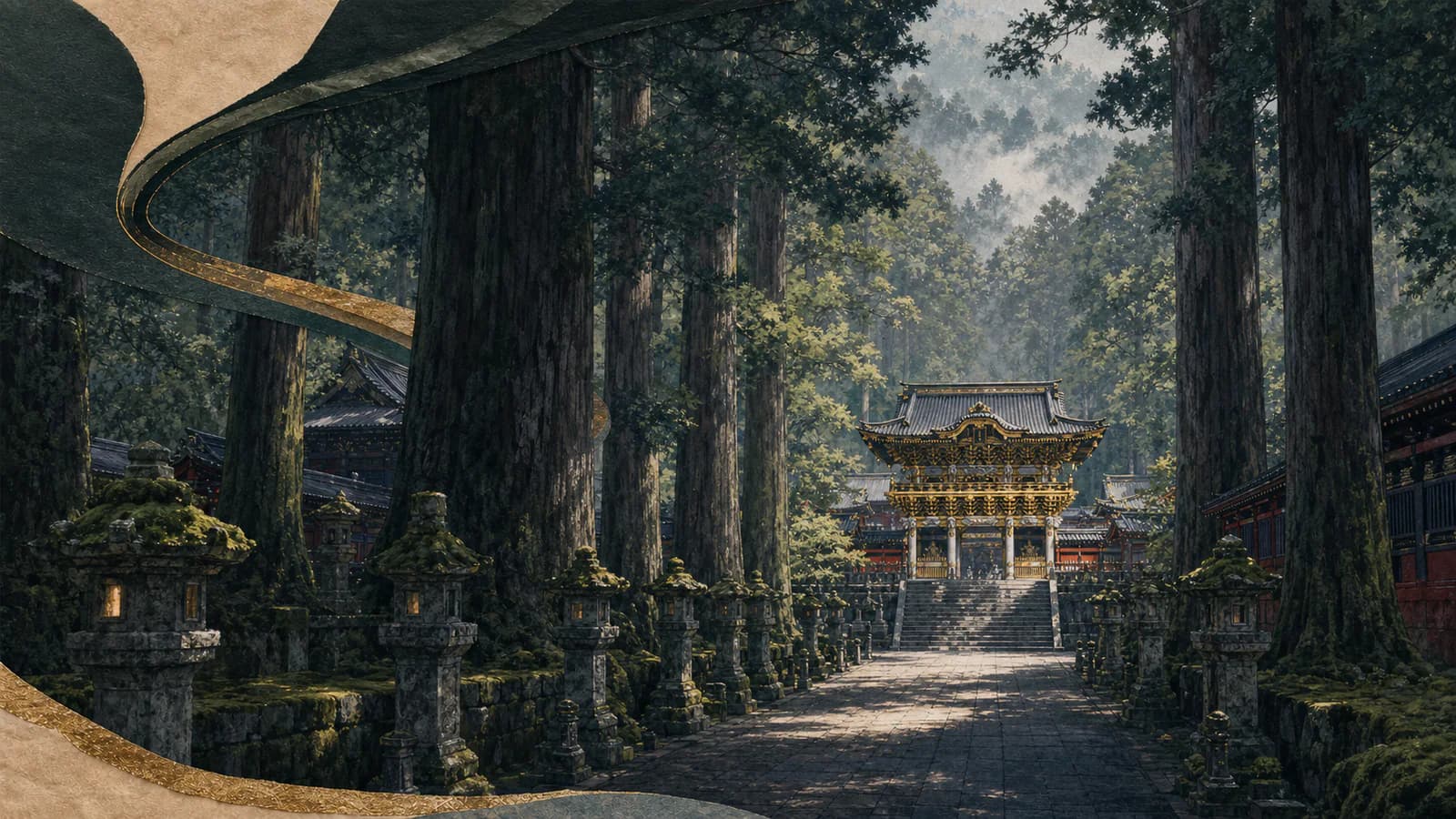
Nikko Toshogu is the main priority for most first-time visitors. Its carved and lacquered buildings reward a slower visit, so allow at least 90 minutes when busy. Respect no-photo signs inside sacred buildings and keep voices low during ceremonies.
Do not casually add Lake Chuzenji and Kegon Falls
Lake Chuzenji and Kegon Falls are worthwhile, but they are not beside the shrine area. Reaching them requires a mountain bus journey that can be slowed by weekend, autumn-leaf, and holiday traffic. Adding both regions to a short winter day can result in missing temple closing times or your reserved train.
For a first day trip, choose either the World Heritage area in depth or a very early combined plan with limited stops. An overnight stay is better for temples, lake scenery, waterfalls, and an onsen without rushing.
Try yuba and plan lunch around temple hours
Nikko is known for yuba, the delicate skin formed when heating soy milk. Restaurants serve it in set meals, noodles, and small dishes. Soba, local sweets, and cafes are also easy choices around the station and heritage area.
Lunch queues can take time, while temple admission ends before evening. Eat early or choose a simpler meal if sightseeing is your priority. Ask about fish stock or other ingredients if you follow a vegetarian or allergy-sensitive diet; a tofu-based appearance does not guarantee a fully plant-based dish.
A realistic World Heritage day plan
Leave Ikebukuro early and use a reserved limited express from Asakusa. After reaching Tobu-Nikko, go directly to Shinkyo and the shrine area. Visit Rinnoji and Toshogu, have lunch, then choose Futarasan Shrine or Taiyuin before returning toward the station.
Book a return train that leaves a generous buffer after the final temple. Buy snacks or souvenirs near the station rather than carrying them through the entire site. Back in Ikebukuro, HOTEL REFRAIN IKEBUKURO is about one minute from Exit C1.
Before you go
Nikko is cooler than central Tokyo and can be icy or snowy in winter. Wear shoes suitable for stone steps, rain, or fallen leaves. Check temple hours, bus schedules, road conditions, and limited express service on the day of travel.
Travel times are estimates. Station transfers, reserved-train schedules, mountain traffic, and shrine queues can change the day. A focused World Heritage itinerary is the safest first visit from Ikebukuro.